From the cleanrooms of Intel to the roof of the world
Explore the Journey
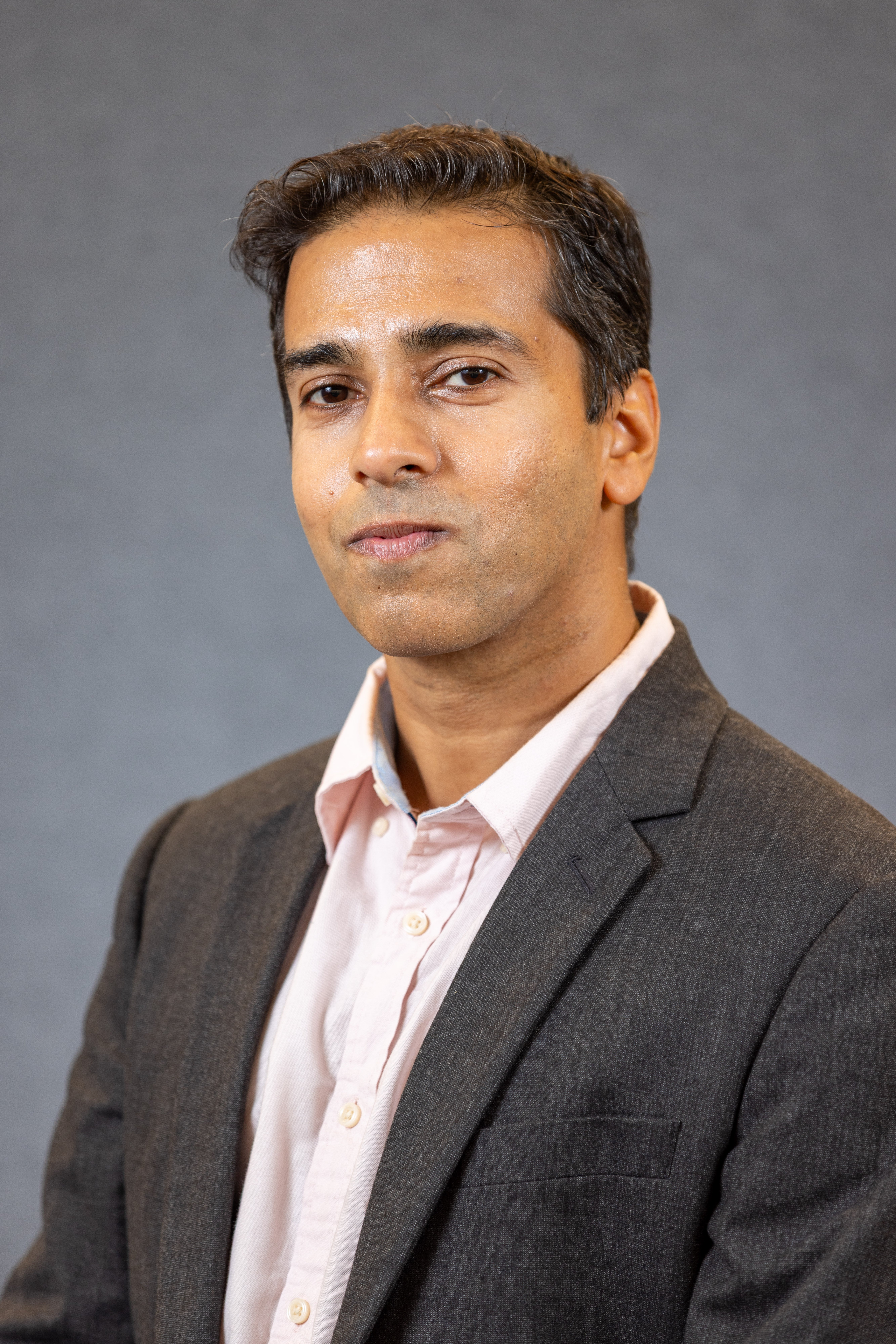
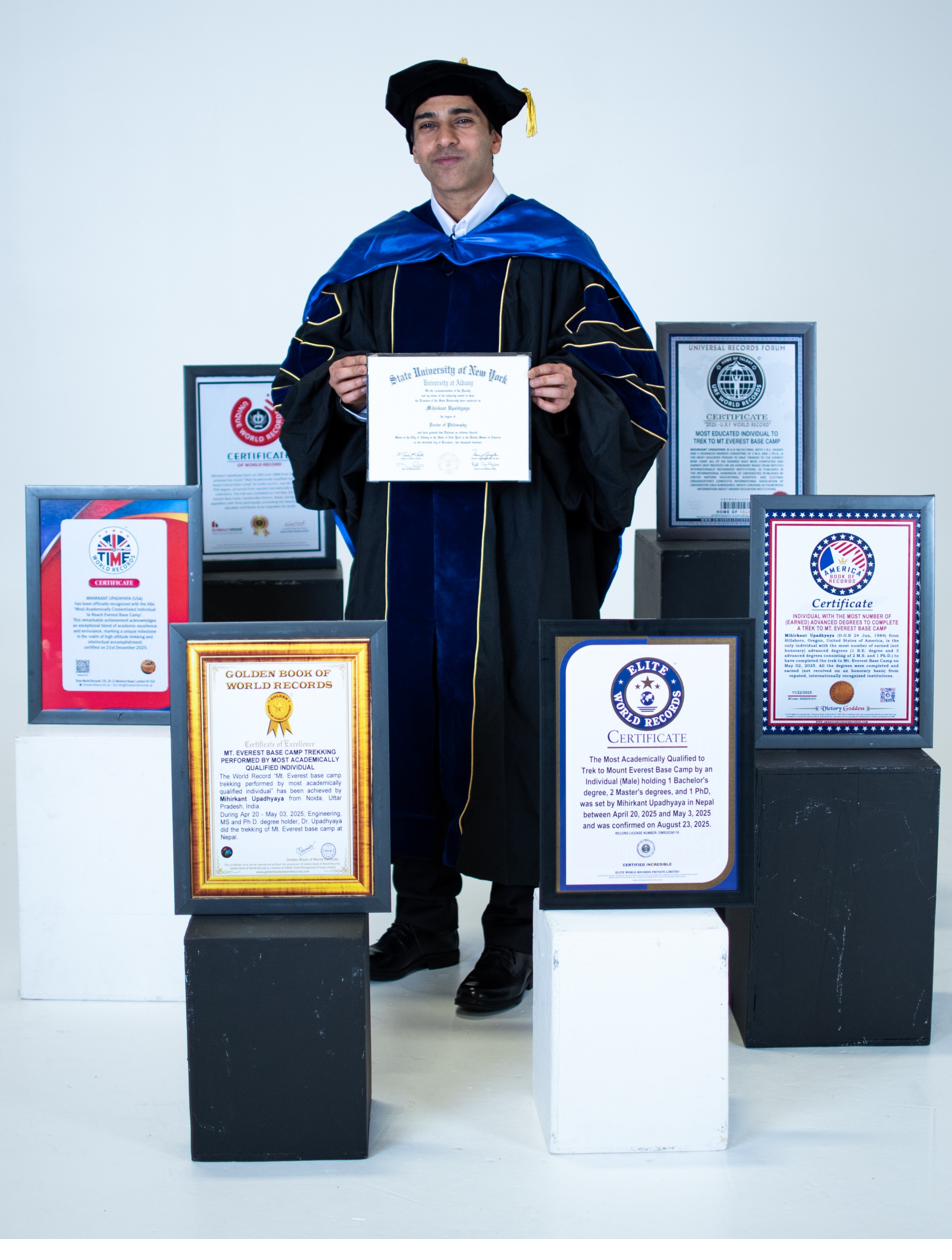
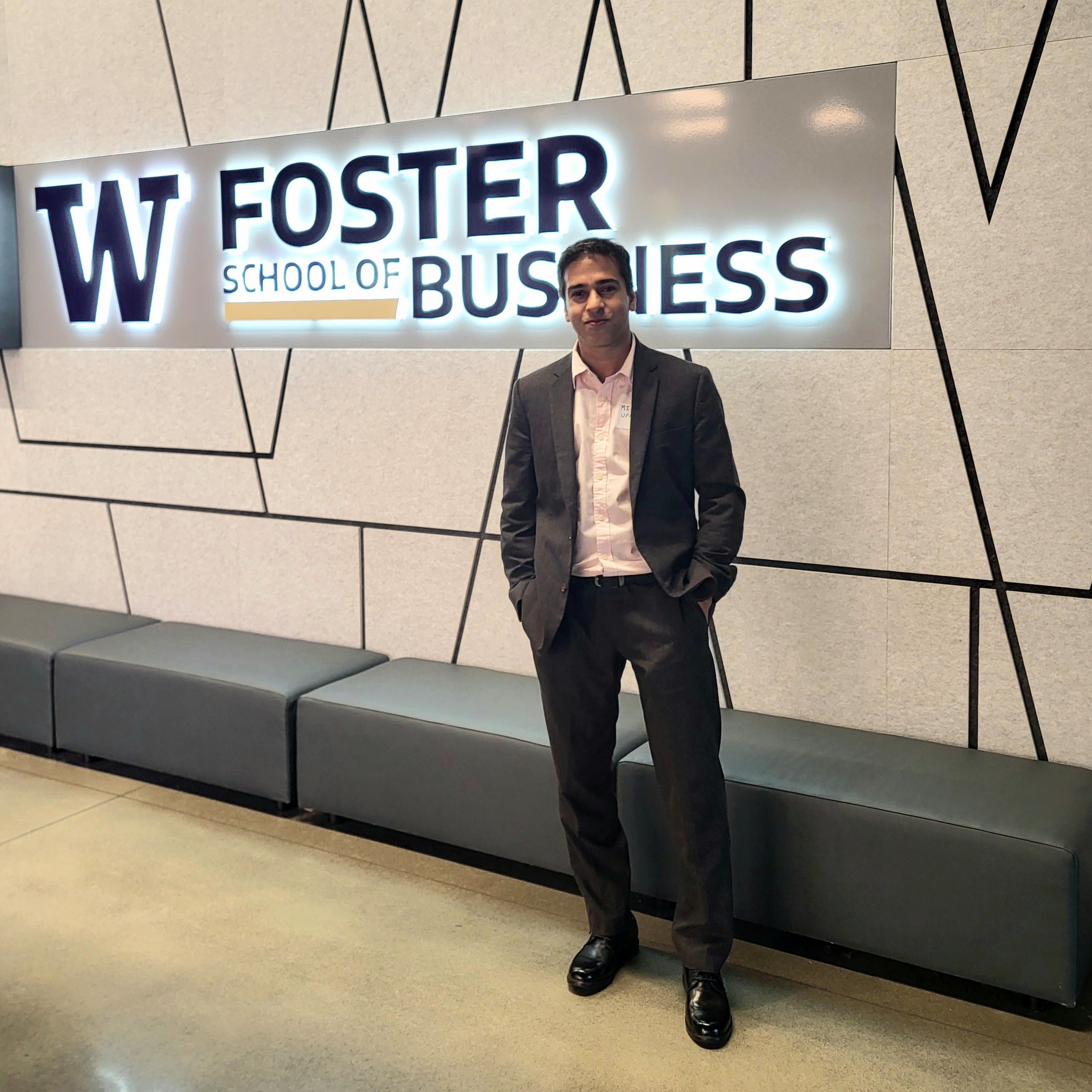
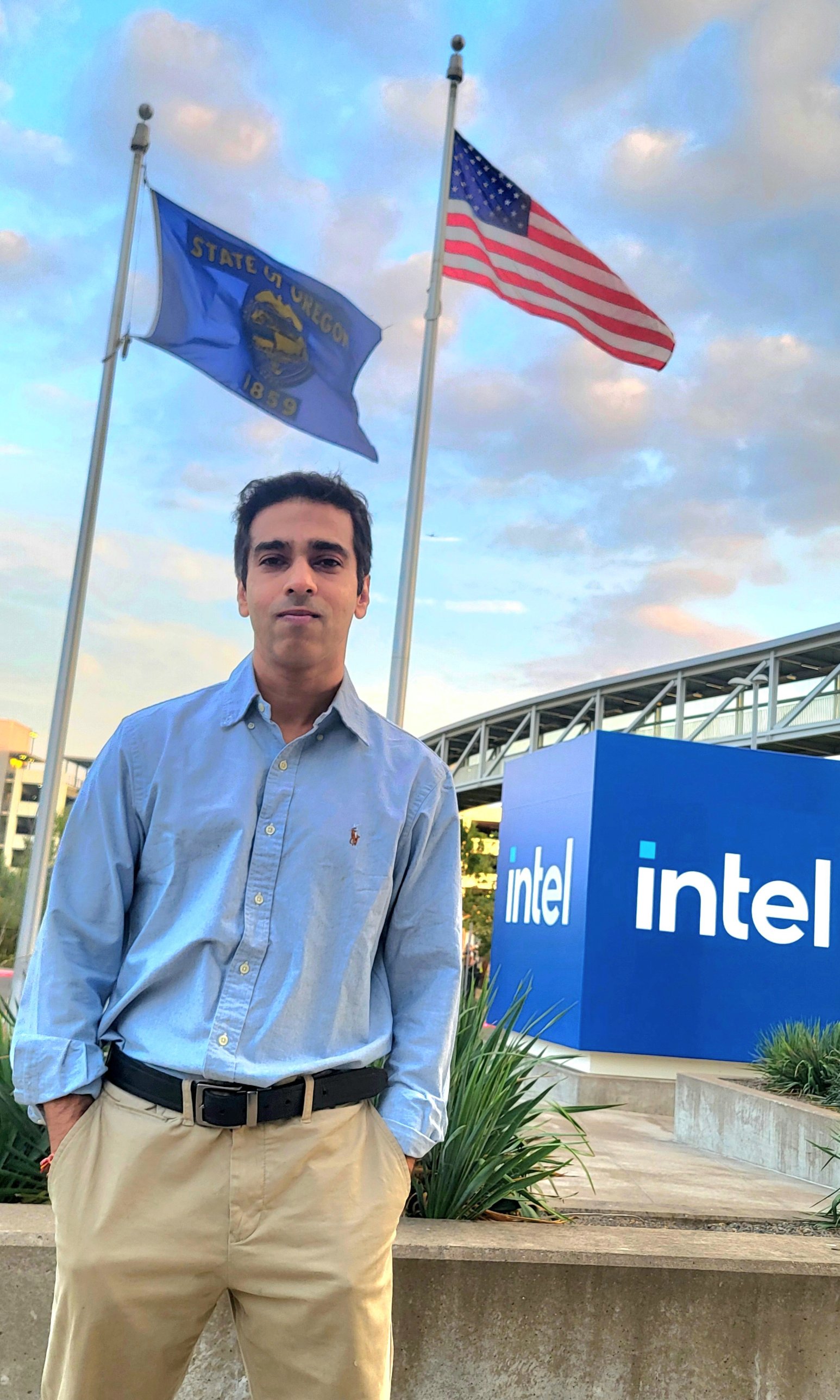
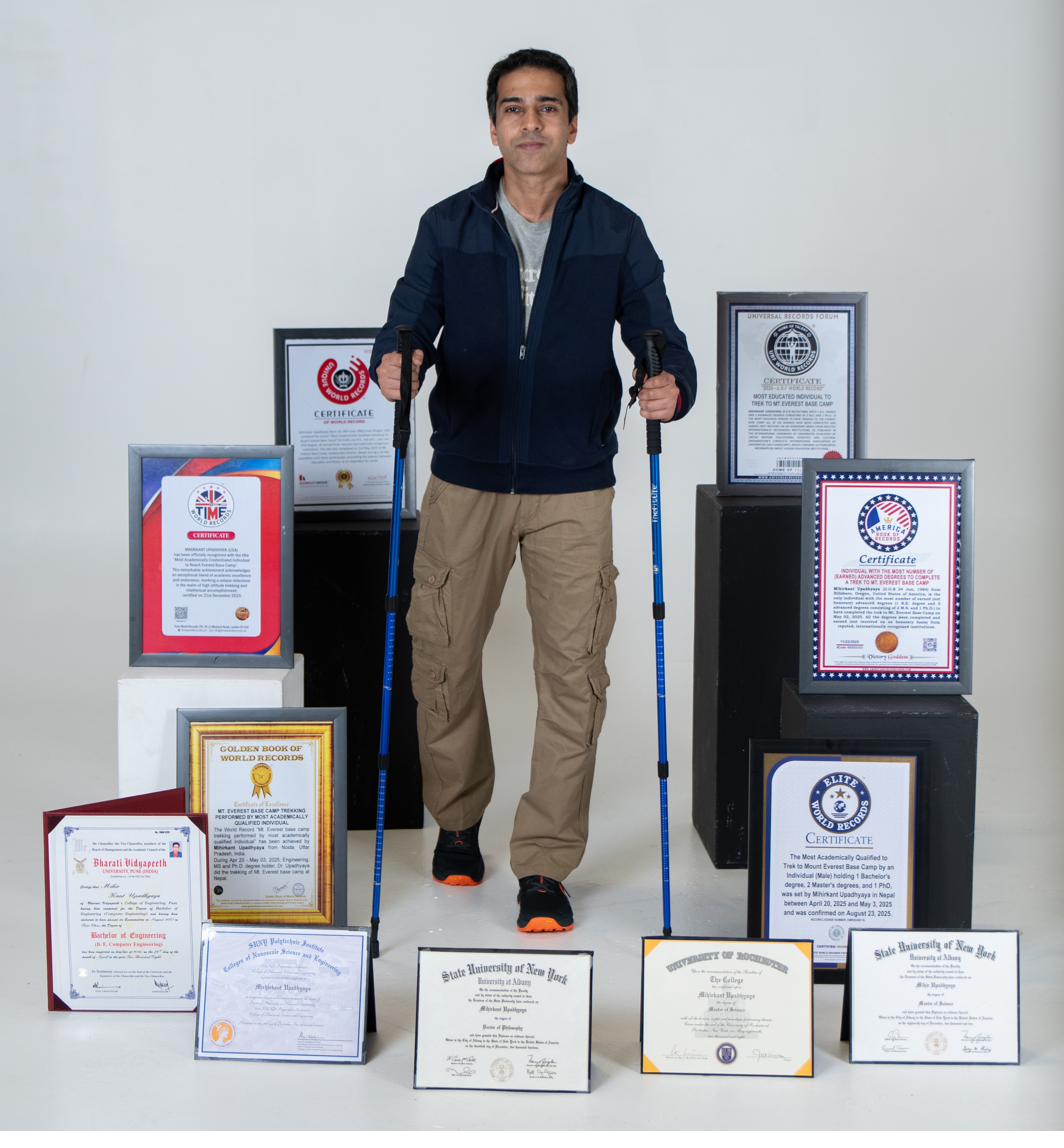
Dr. Mihirkant Upadhyaya is a Senior Supply Chain Technical Program Manager at Intel Corporation, currently pursuing an MBA at the Foster School of Business, University of Washington (expected graduation June 2027). He holds four earned degrees: a B.E. in Computer Engineering, an M.S. in Physics, an M.S. in Nanoscale Engineering, and a Ph.D. in Nanoscale Science and Engineering.
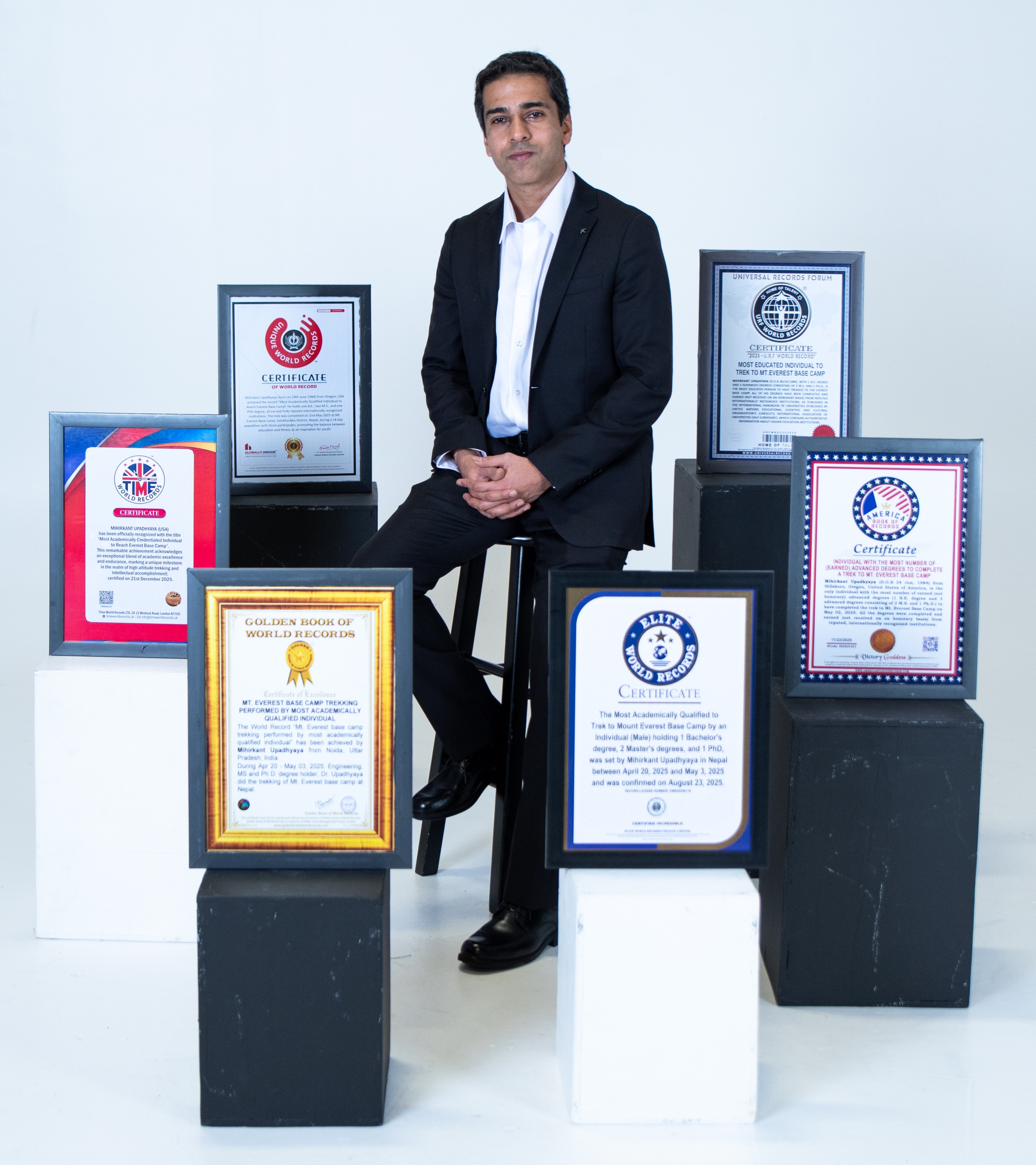
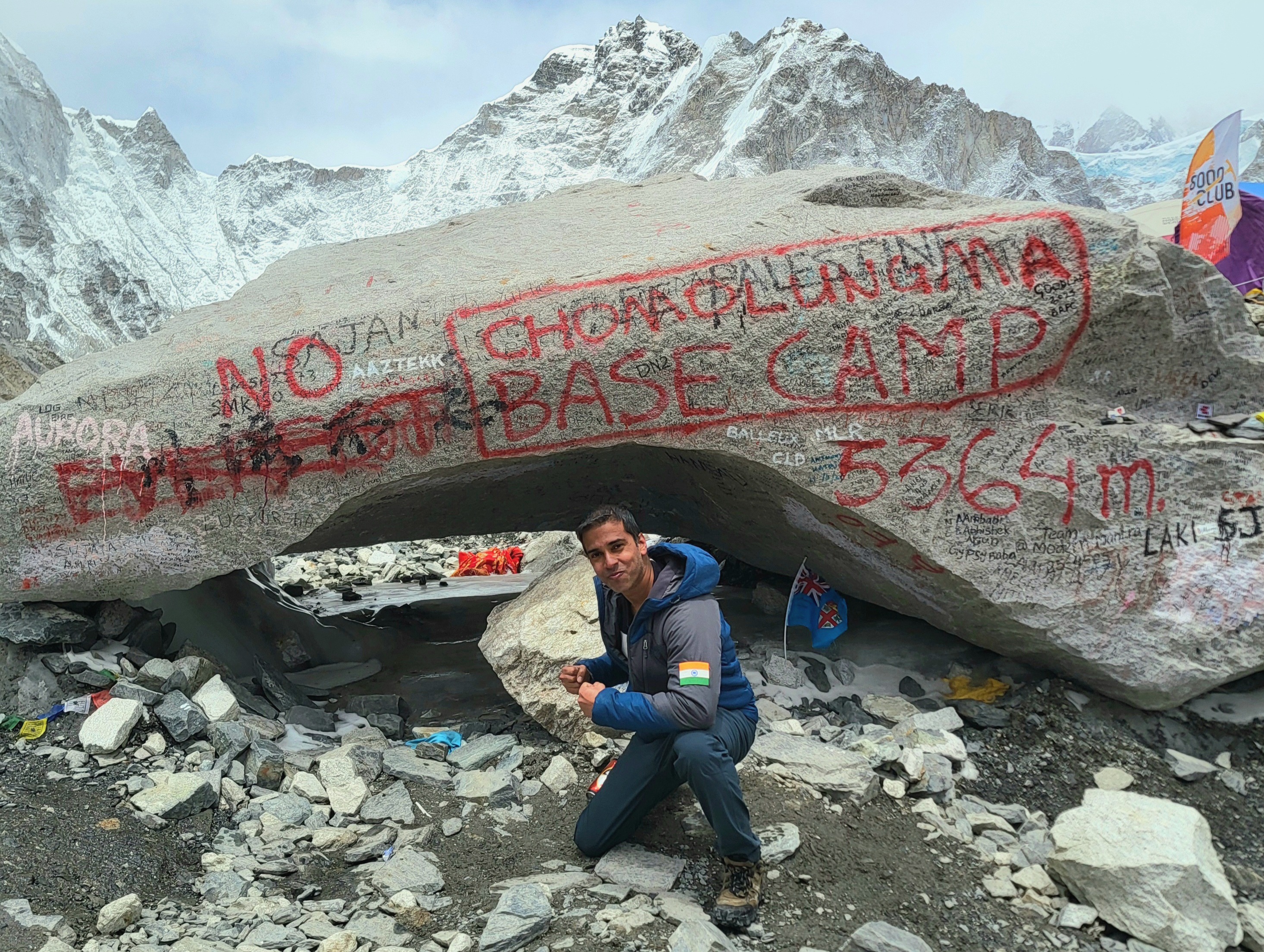
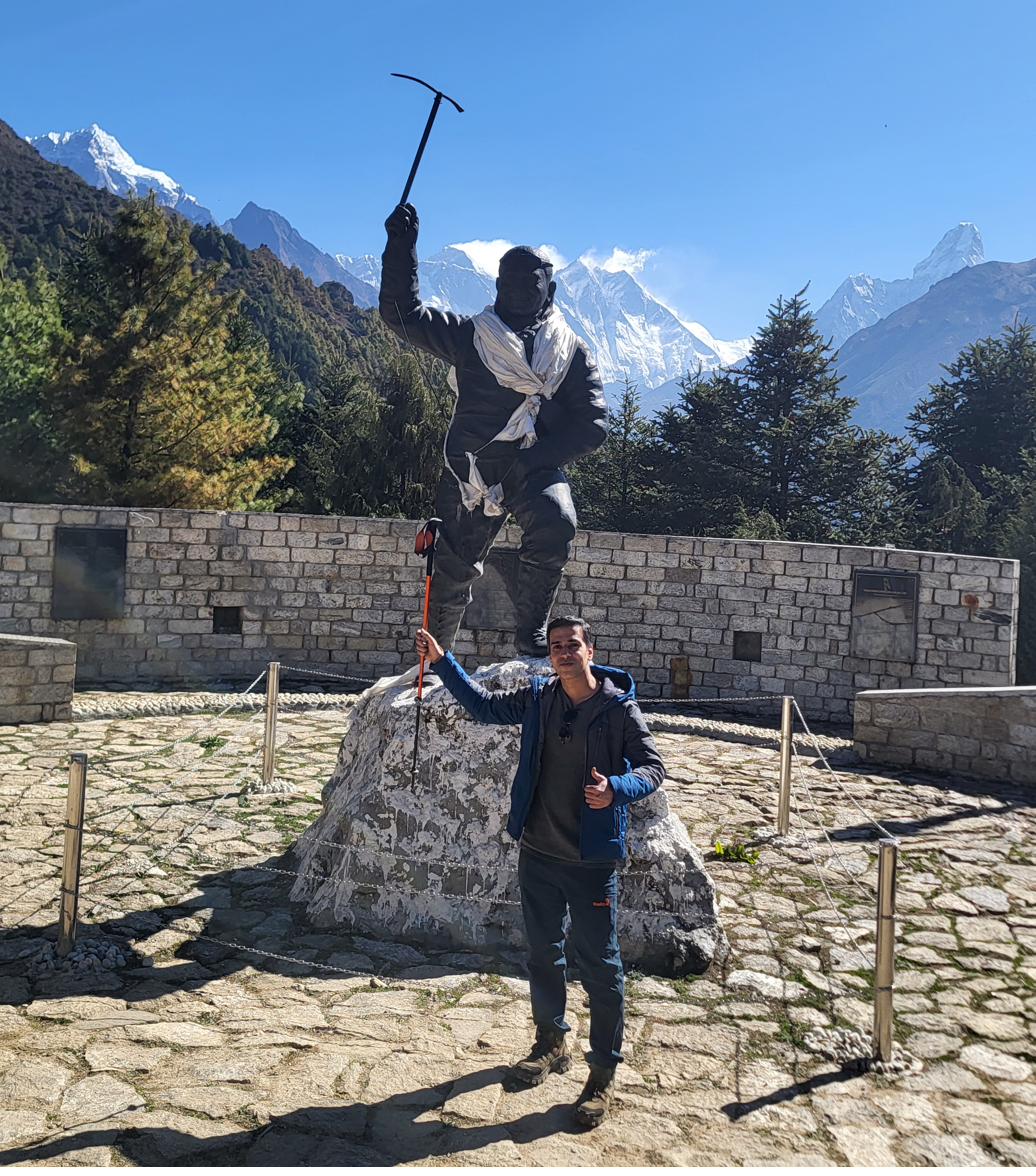
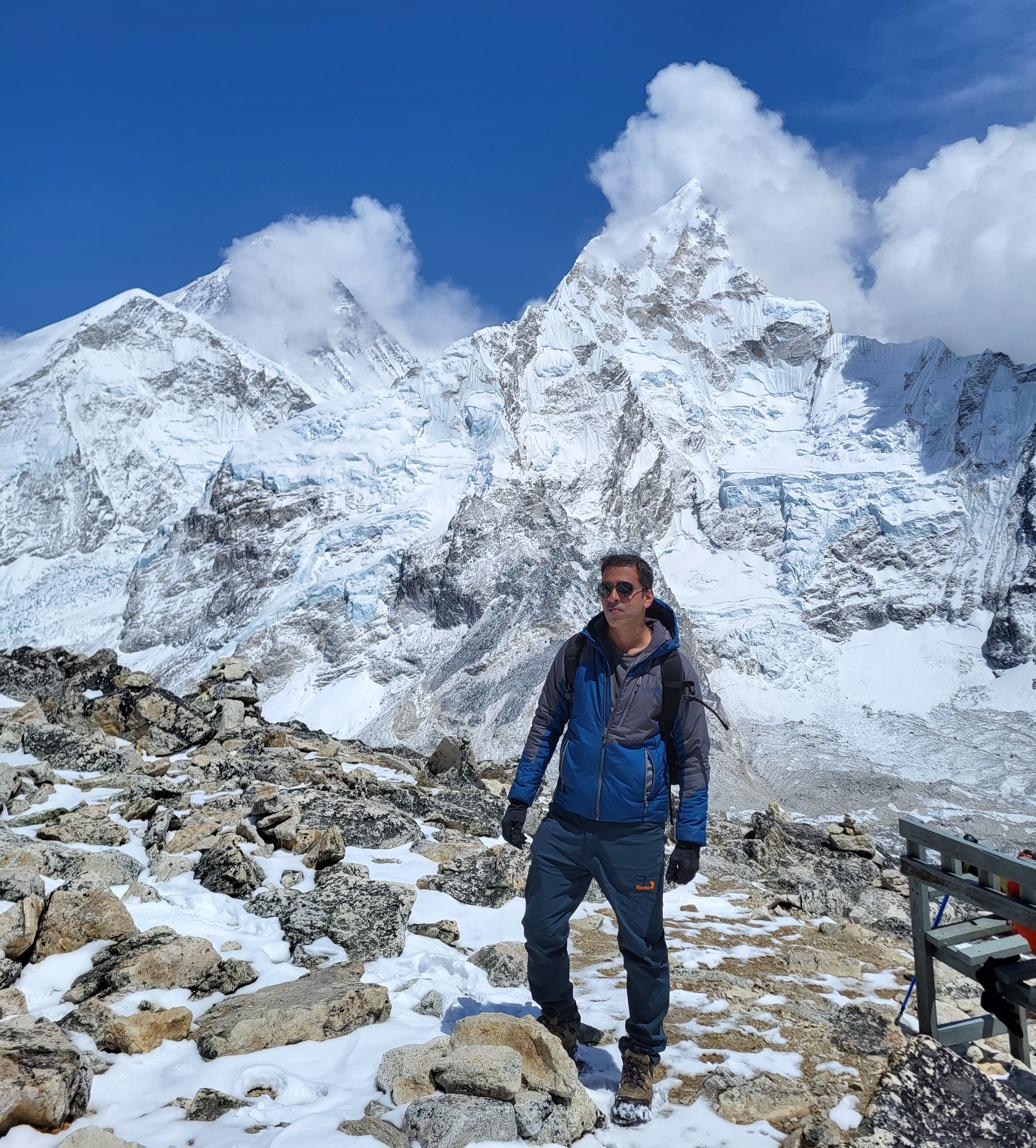
In Spring 2025, he completed a trek to Mt. Everest Base Camp and was certified by six international record-keeping organisations as the most academically qualified individual to have achieved this feat. A resident of Noida, he is actively training for a full Everest summit attempt in 2028.
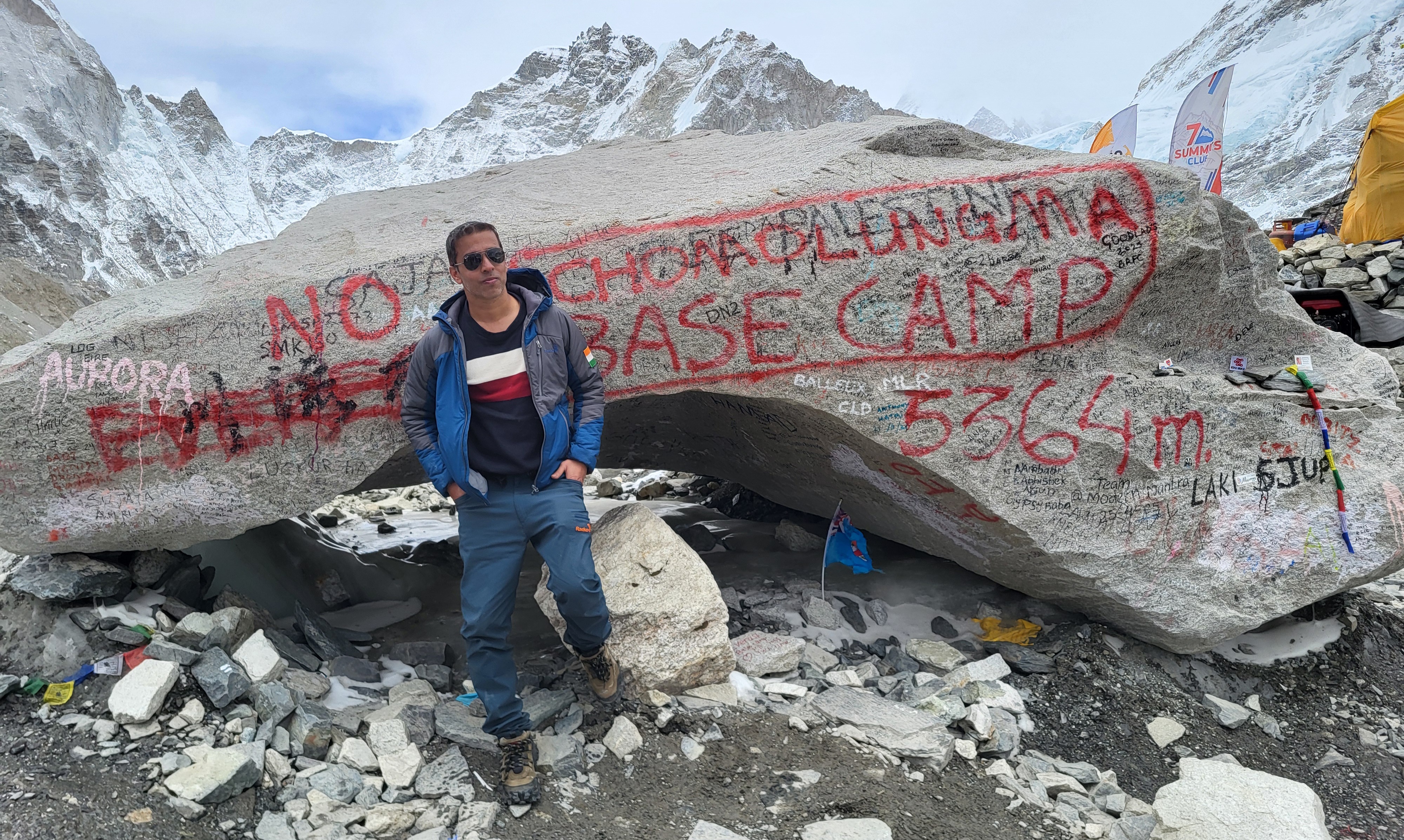
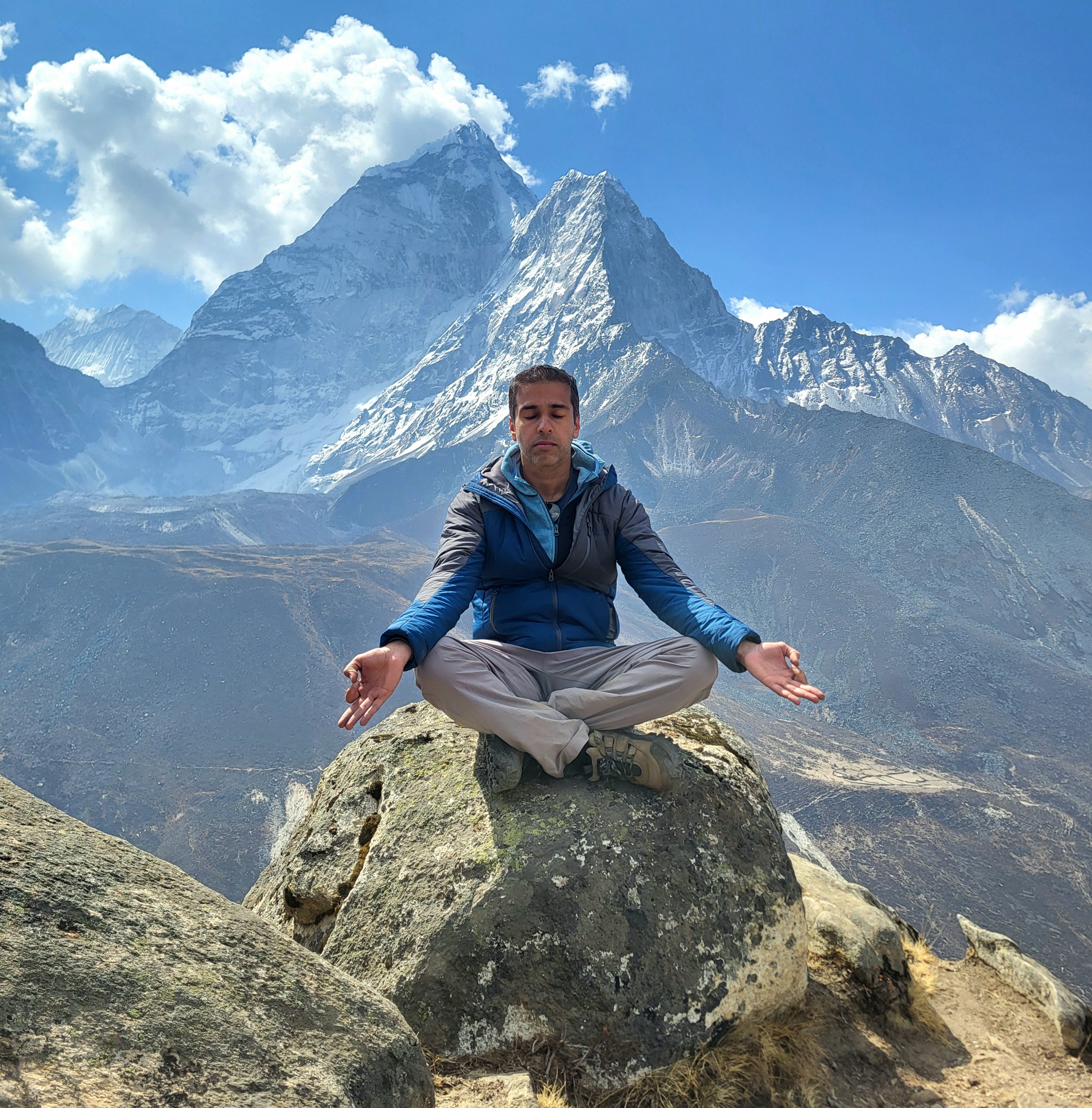
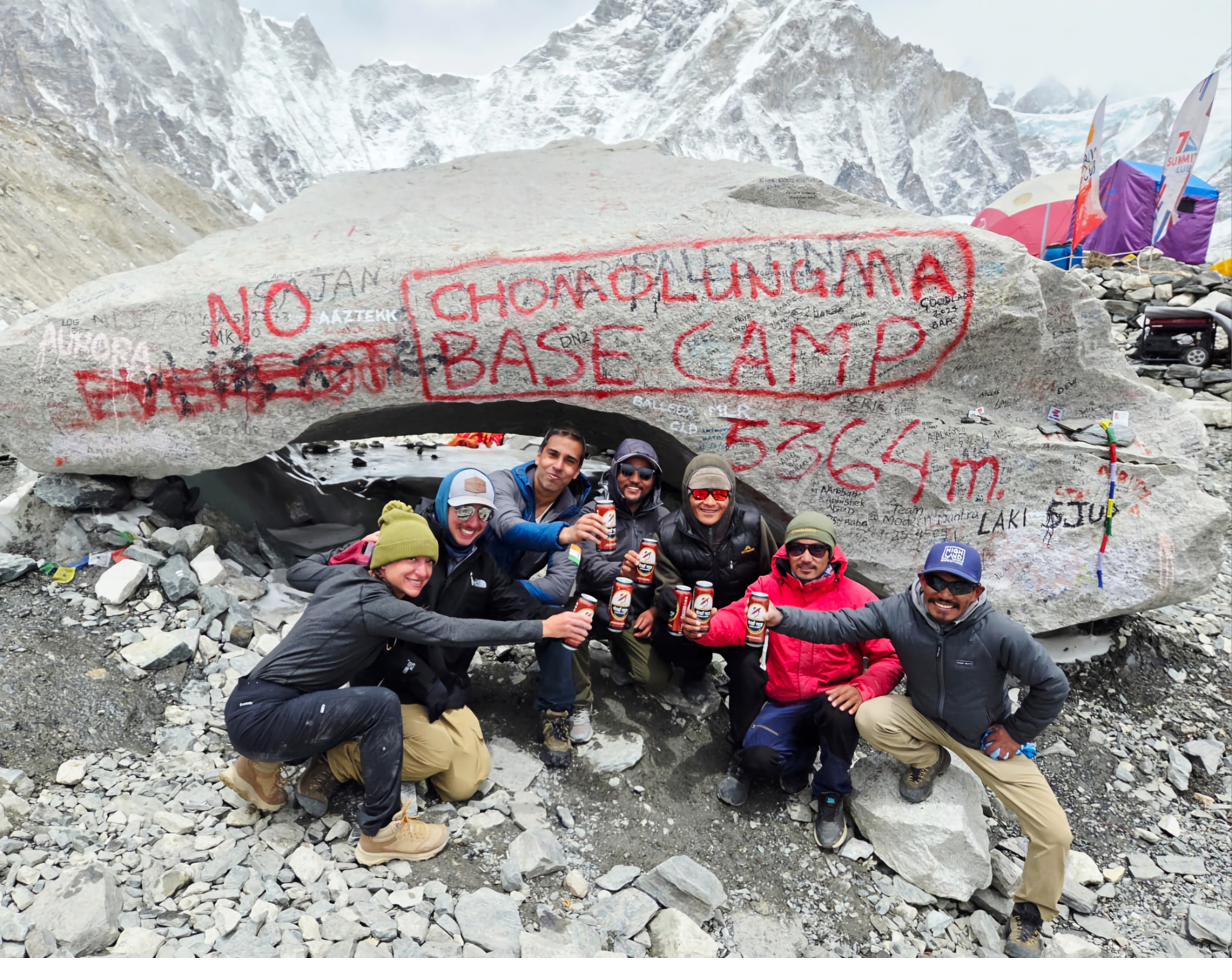
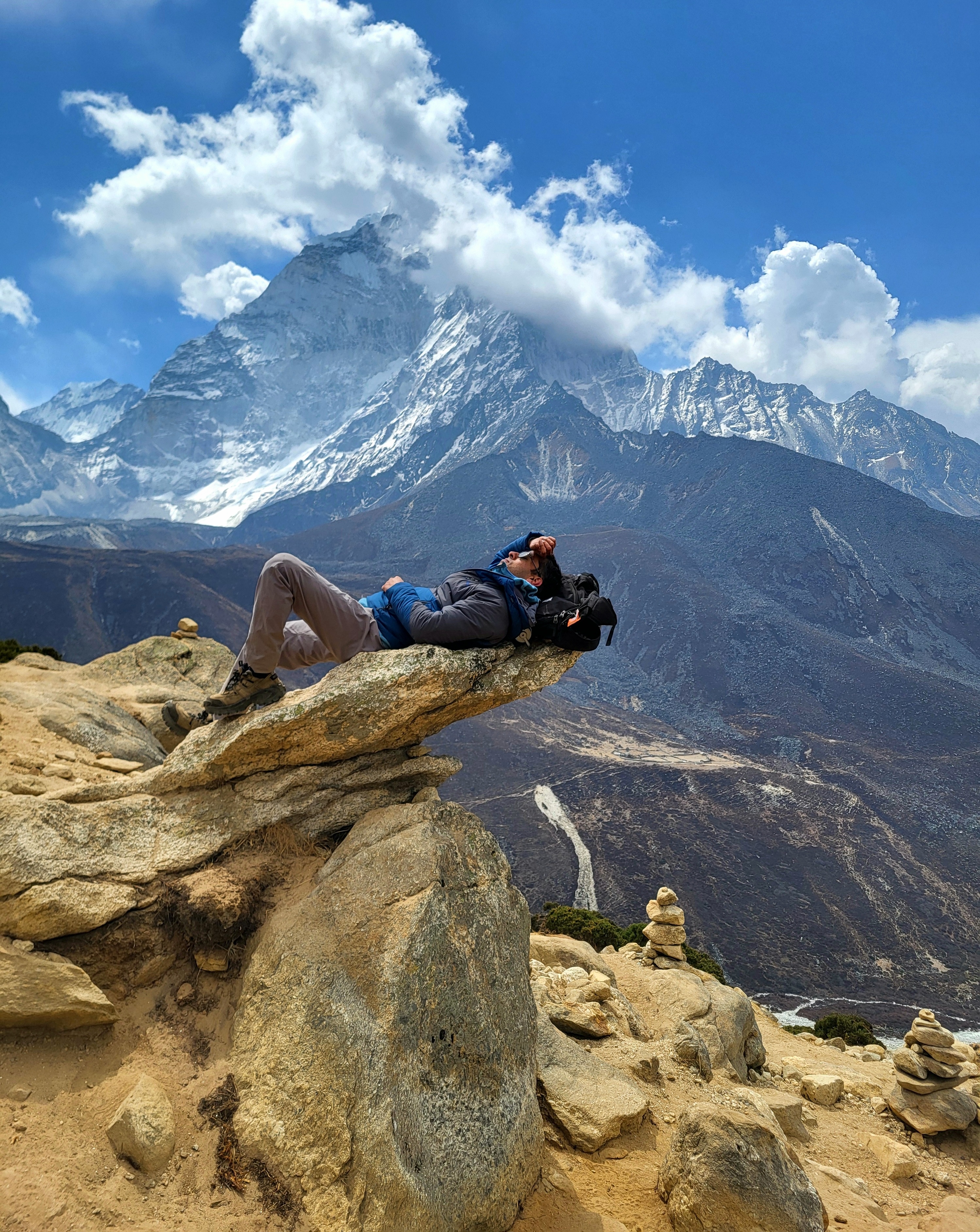
In Spring 2025, Dr. Upadhyaya completed a 14-day expedition to Mt. Everest Base Camp at 5,364 metres, organised by Highland Expeditions, and in doing so became the most academically qualified individual in recorded history to reach the foot of the world's highest peak. The journey took him through ancient Sherpa villages, across suspension bridges draped with prayer flags, and past Himalayan panoramas stretching from Ama Dablam to Lhotse to Everest itself.
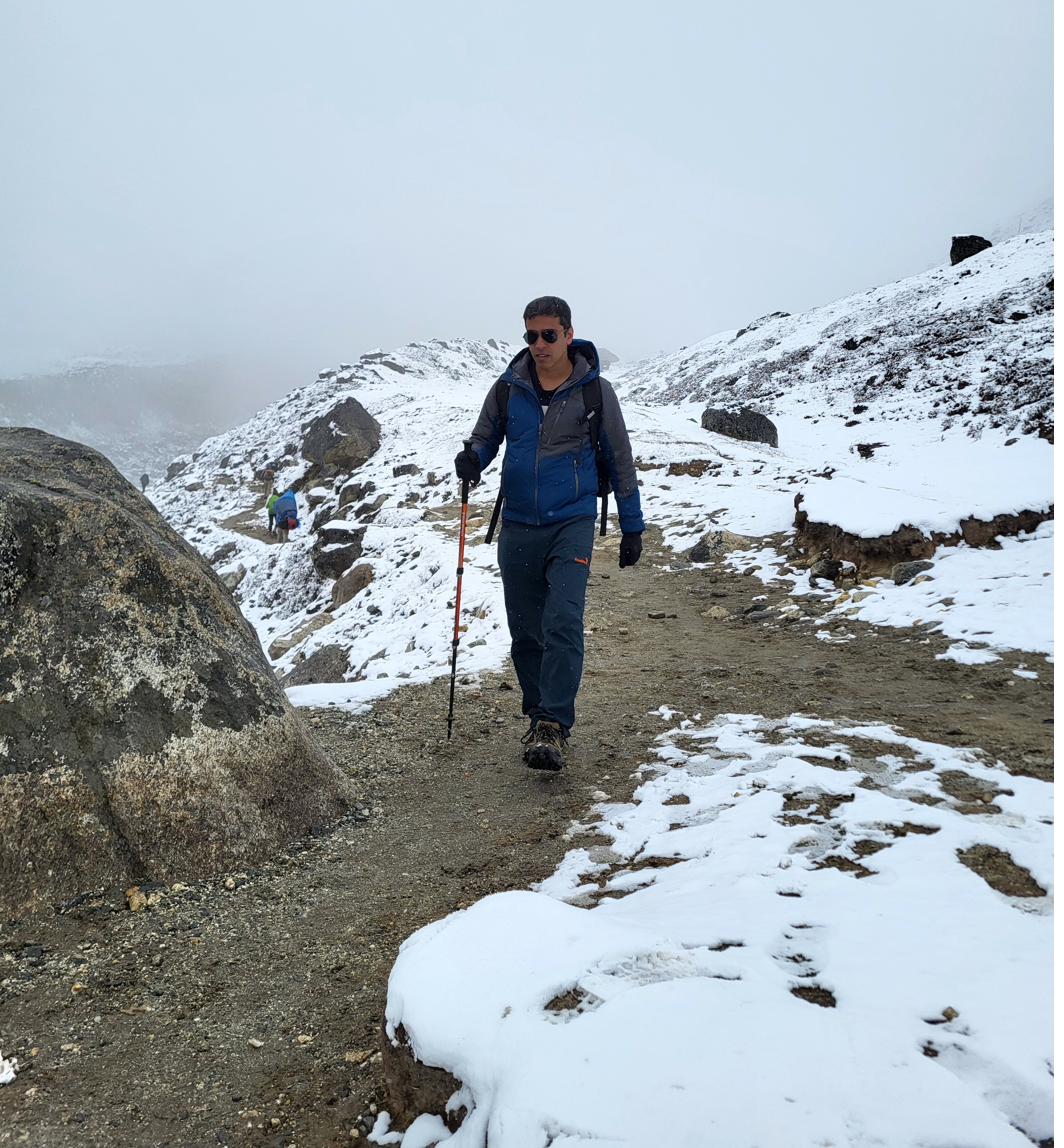
The Spring 2025 season proved to be one of the most demanding in recent memory. Temperatures dropped to −20°C and visibility fell to near zero during sudden squalls. To make matters worse, oxygen saturation levels for the group fell below 70 percent. For Upadhyaya, managing those conditions with hereditary asthma demanded extraordinary discipline and pacing. When a teammate developed severe symptoms of Acute Mountain Sickness, the group faced difficult decisions about whether to continue at all. They pressed on.
The trek was also a deeply personal journey. Both of Upadhyaya's paternal grandparents were from Nepal. Walking to Everest Base Camp was, in a profound sense, an ancestral homecoming — a chance to walk the land they once called home, in a country woven into his bloodline.
At Delhi's DPS RK Puram, Mihir was a Gold Medal recipient for maintaining above 80% marks for seven consecutive years from Class 6 through 12. Torn between Physics and Engineering after school, he chose Computer Engineering under the weight of convention. Two years in, he knew his heart was elsewhere. He began self-studying Physics alongside his B.E. coursework, attended Summer School at the Indian Institute of Astrophysics (IIA), and completed his final year undergraduate project at the Tata Institute of Fundamental Research (TIFR). Along the way, Mihir represented his college at national technical festivals across IITs, winning First Place at IIT Roorkee and a 'Budding Researcher' award at IIT Kanpur for his paper on hydraulic fracturing simulation studies. He earned offers to pursue his M.S. in Physics from five top 20 universities in the US, including the University of Rochester's Department of Physics and Astronomy, ranked in the top 10 in the world. That pivot from engineering to fundamental science set the trajectory for everything that followed.
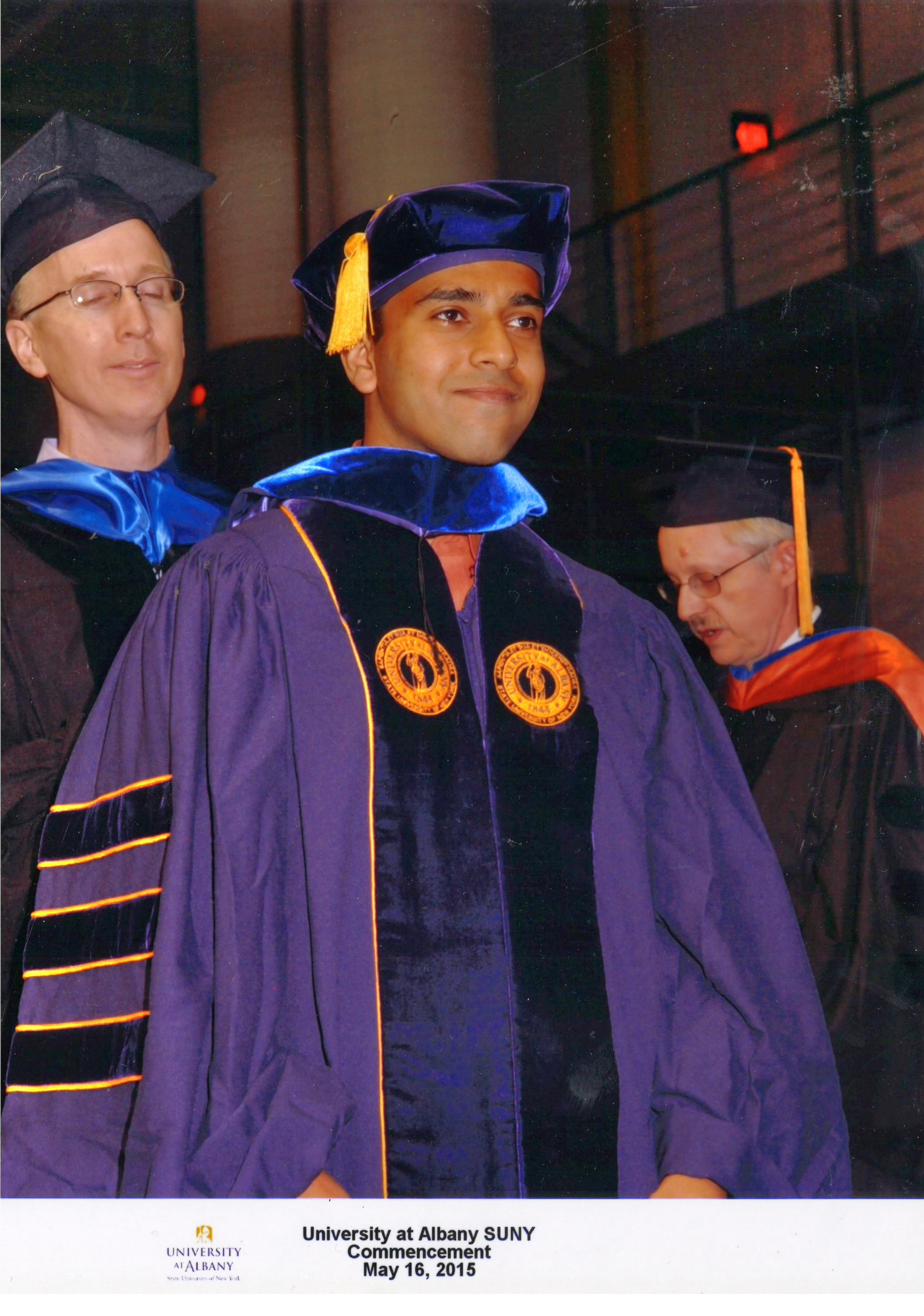
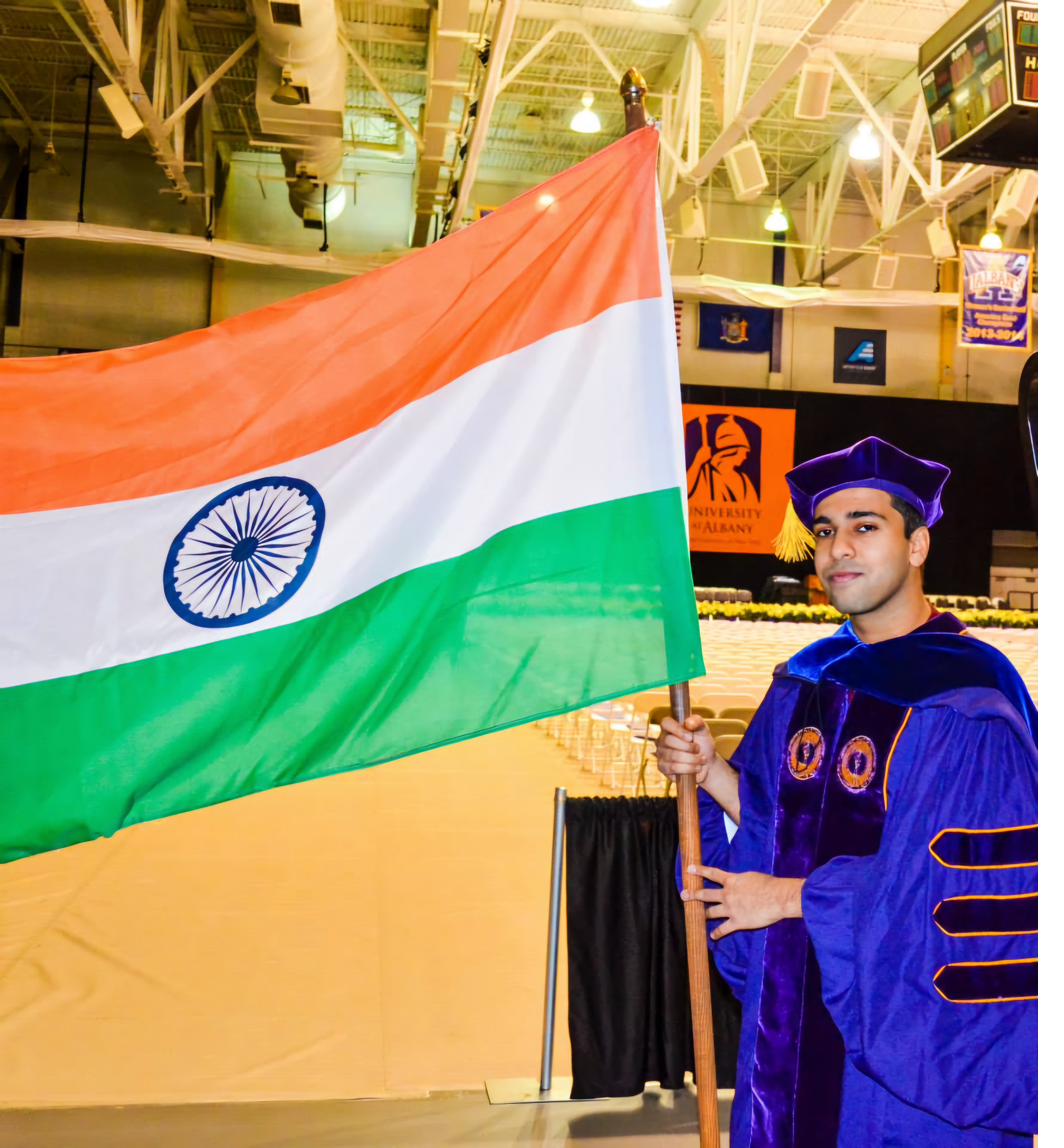
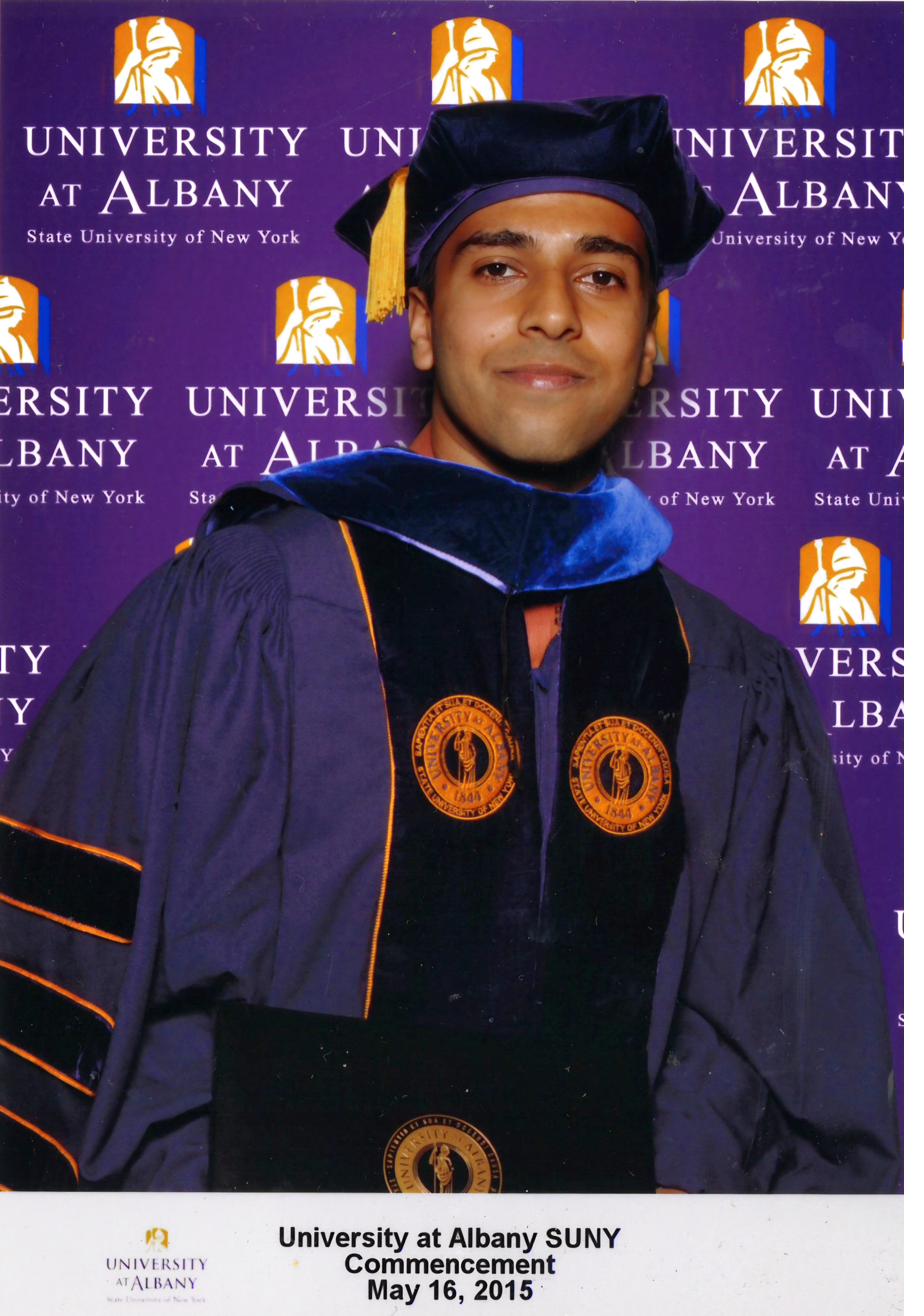
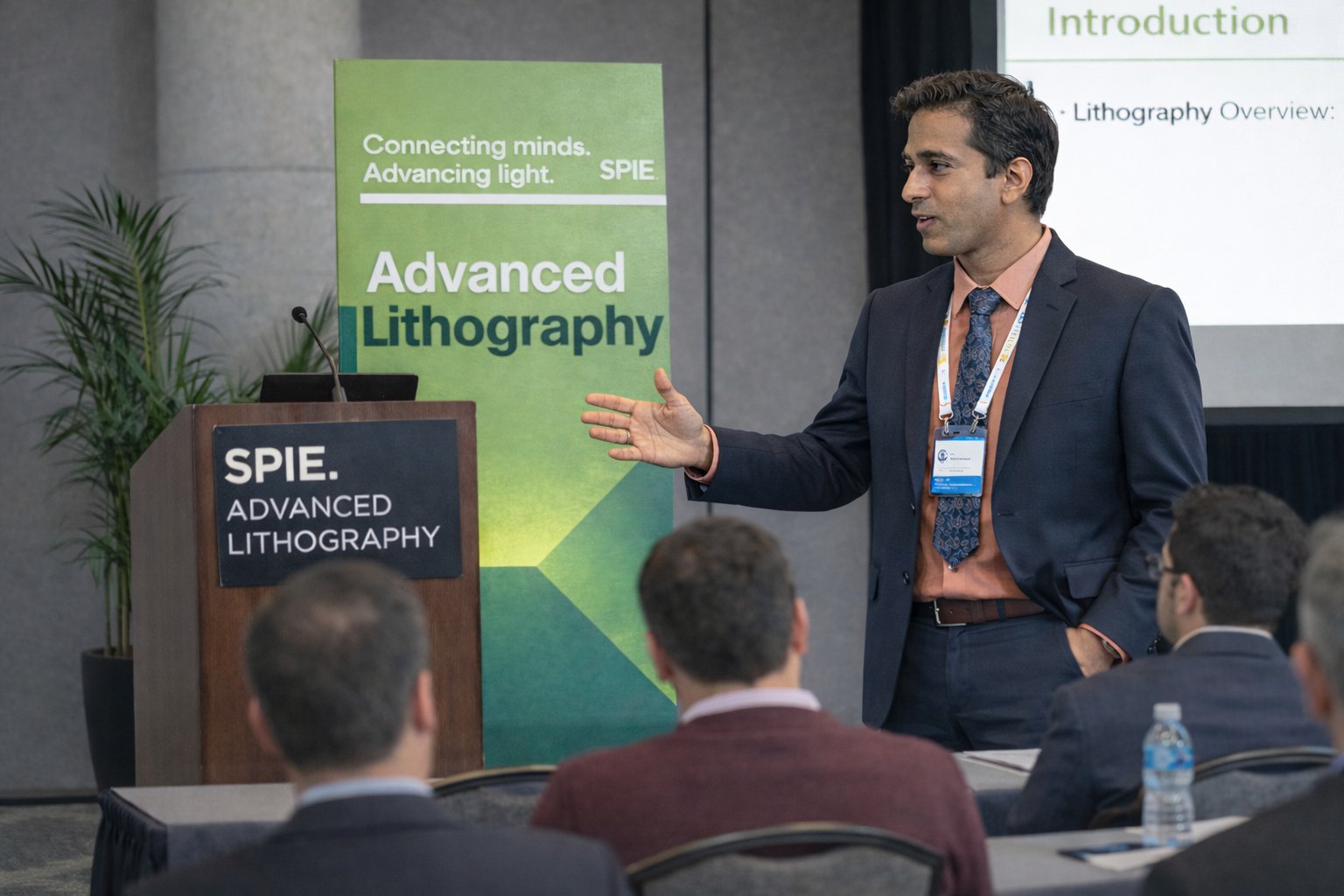
At Rochester, Mihir studied Physics with a focus on Materials Science. At SUNY Albany, his Master's research investigated titanium dioxide nanostructures as an alternative catalyst support for proton exchange membrane fuel cells (PEMFCs), work supported by the New York State Energy Research and Development Authority (NYSERDA). His doctoral research focused on extreme ultraviolet (EUV) lithography, developing simulation models for predicting the printability of native mask defects and investigating EUV reflectivity loss mechanisms, both critical challenges in advanced semiconductor manufacturing. This work earned him the prestigious Student Scholarship Award from the International Symposium on EUV Lithography, selected from over 200 candidates worldwide, and his near-perfect GPA led to his selection as the flagbearer for India at the university's Commencement Ceremony.
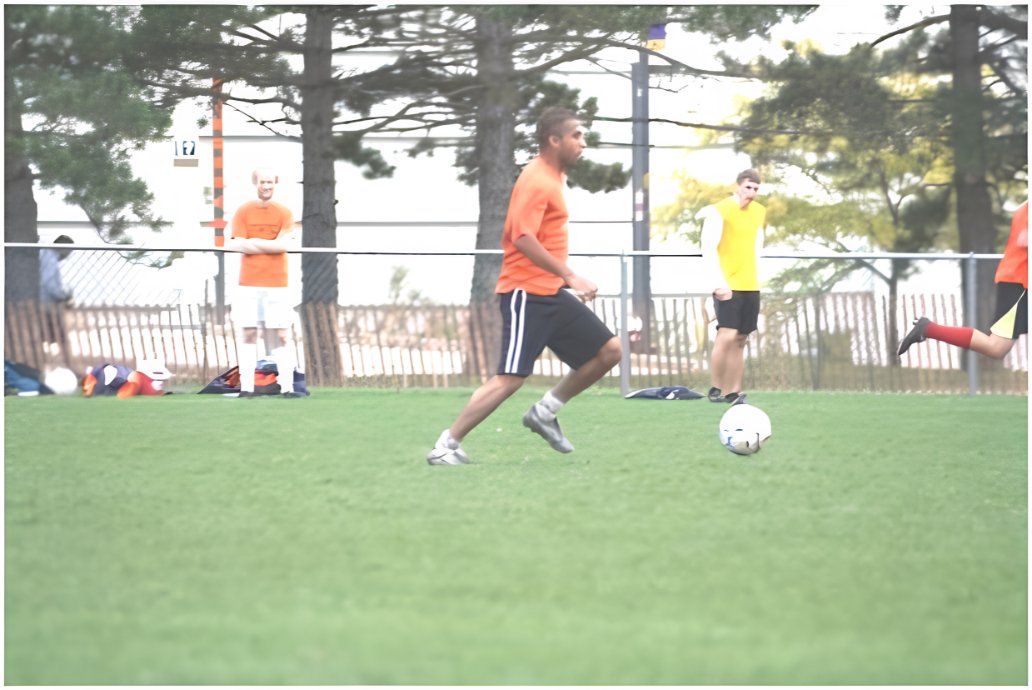
Physical discipline has been a constant since childhood. At Delhi's DPS RK Puram, Mihir spent seven years on the school's football team and competed in the 100m and 200m on the track team, winning multiple inter-school tournaments in the North Zone. In 2001, he represented his school at the Indian Public Schools Conference (IPSC) national football tournament, and was nominated Sports Secretary for his final year.
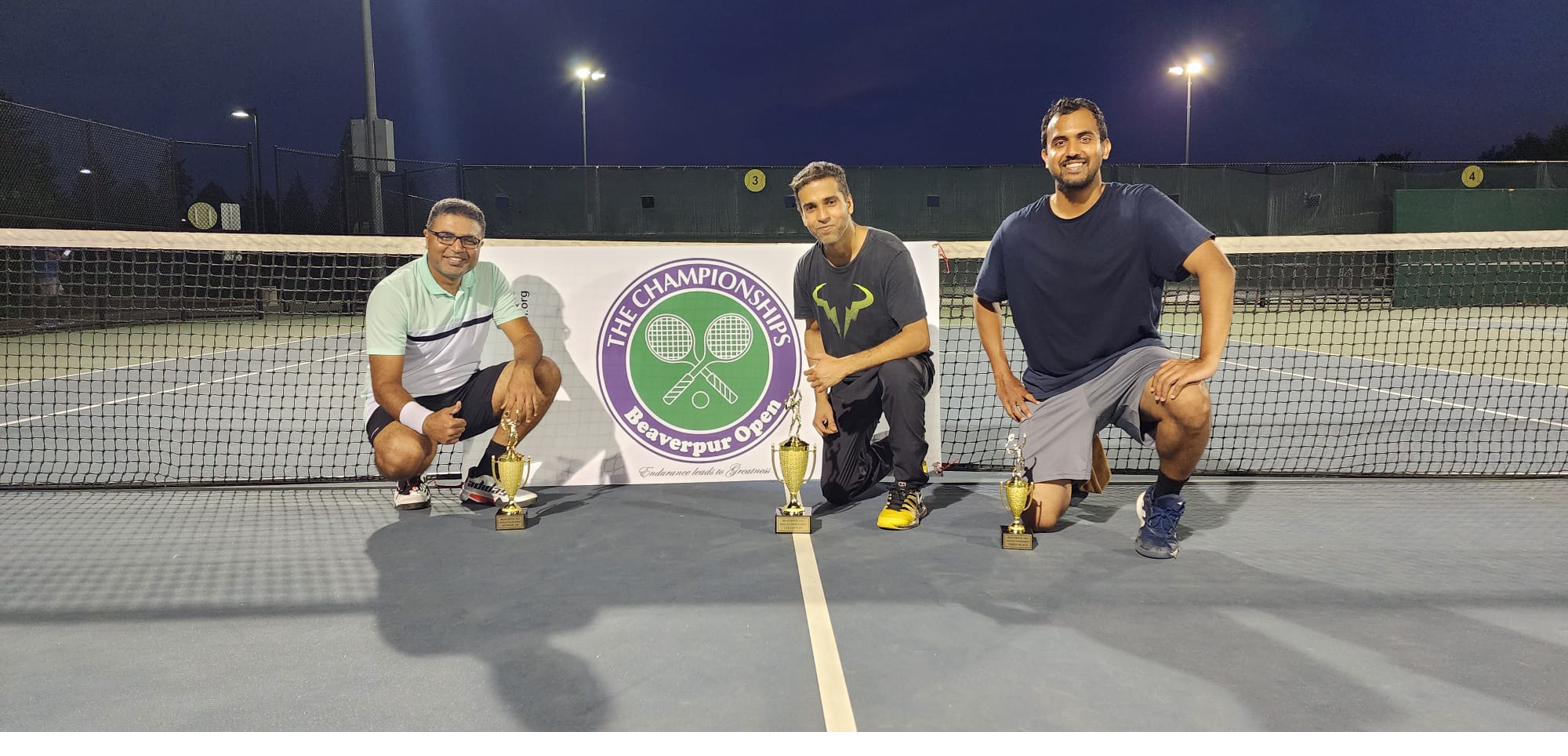
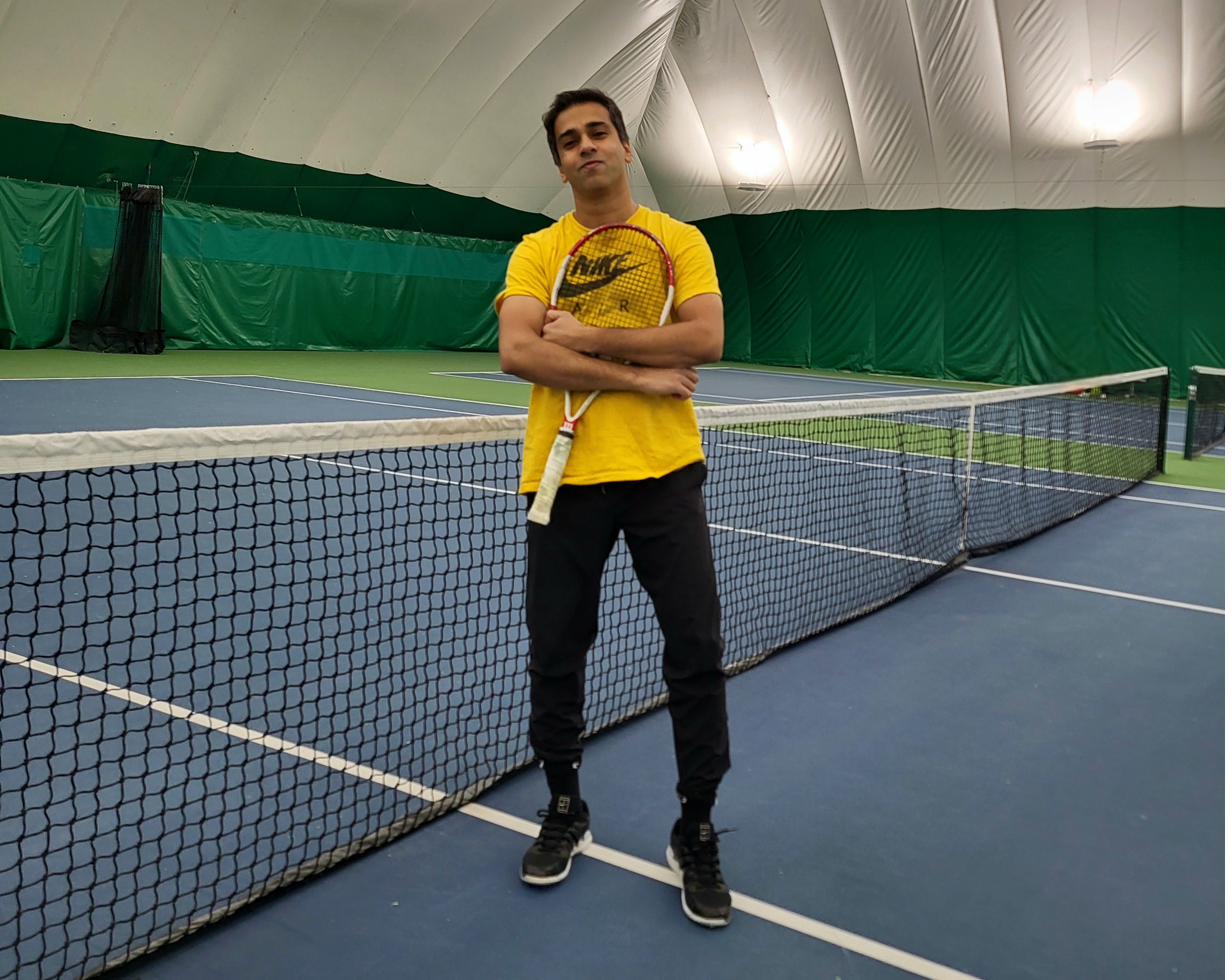
That competitive drive never faded. Through graduate school at SUNY Albany, he won three intramural tennis and two soccer tournaments. Today, he holds a USTA 5.0 tennis rating, an advanced tournament level, and continues to compete in individual and team events.
In preparation for the EBC trek, Mihir summited Mt. St. Helens twice and Mt. Hood once to acclimatise to altitude and thinner oxygen, combining daily hour-long runs, weight training, and intense tennis sessions with a complete dietary overhaul. All while managing hereditary asthma.
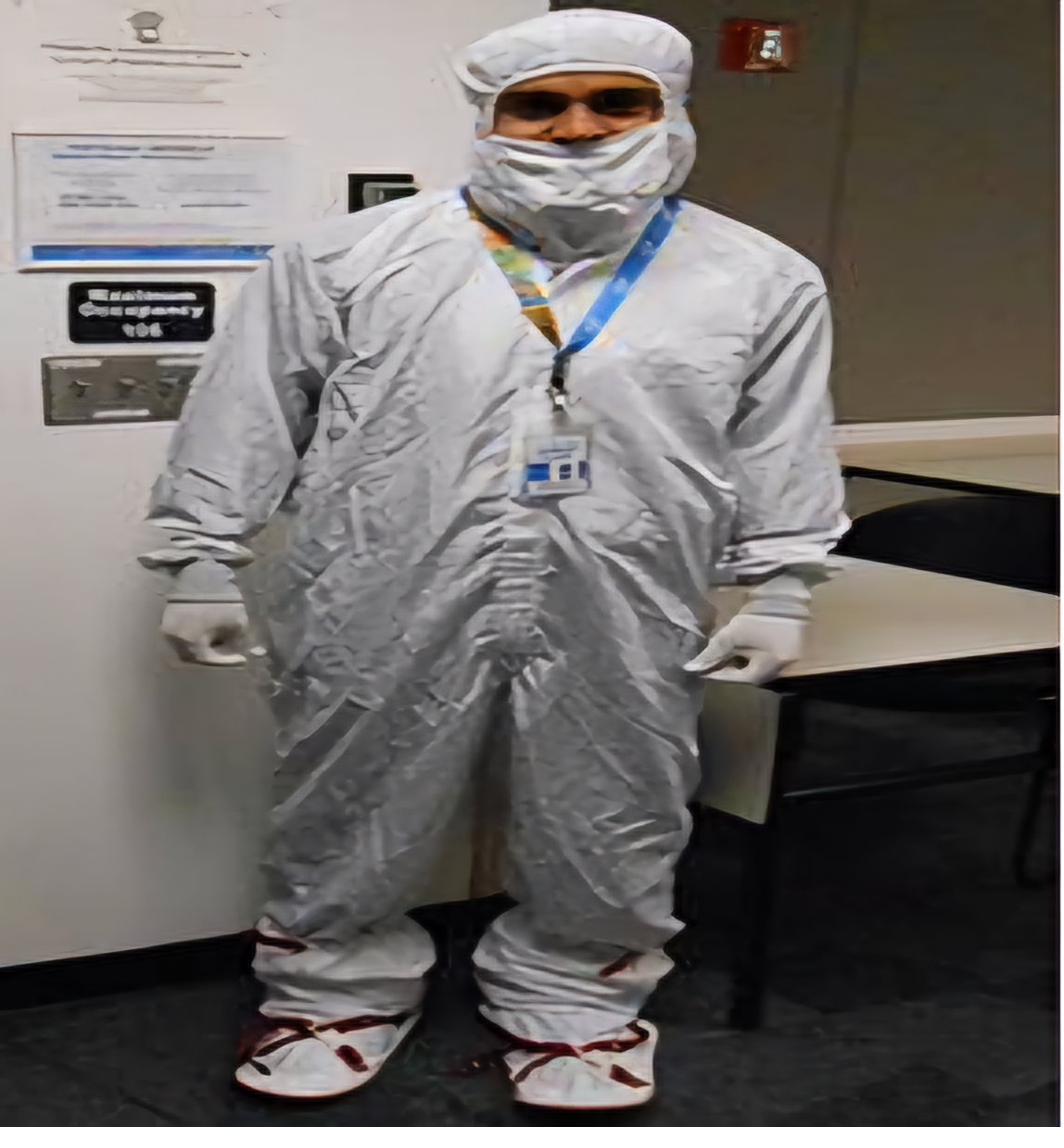
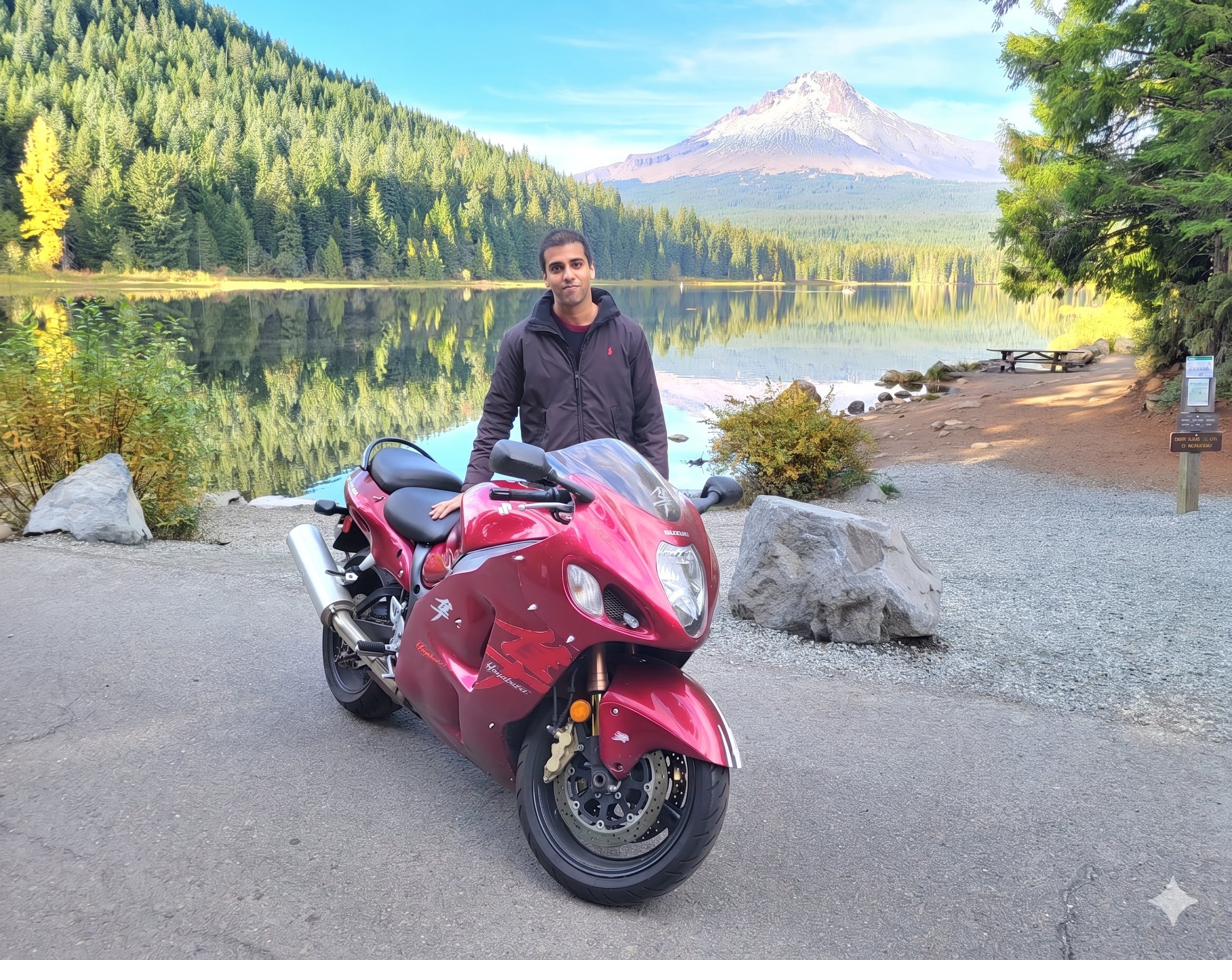
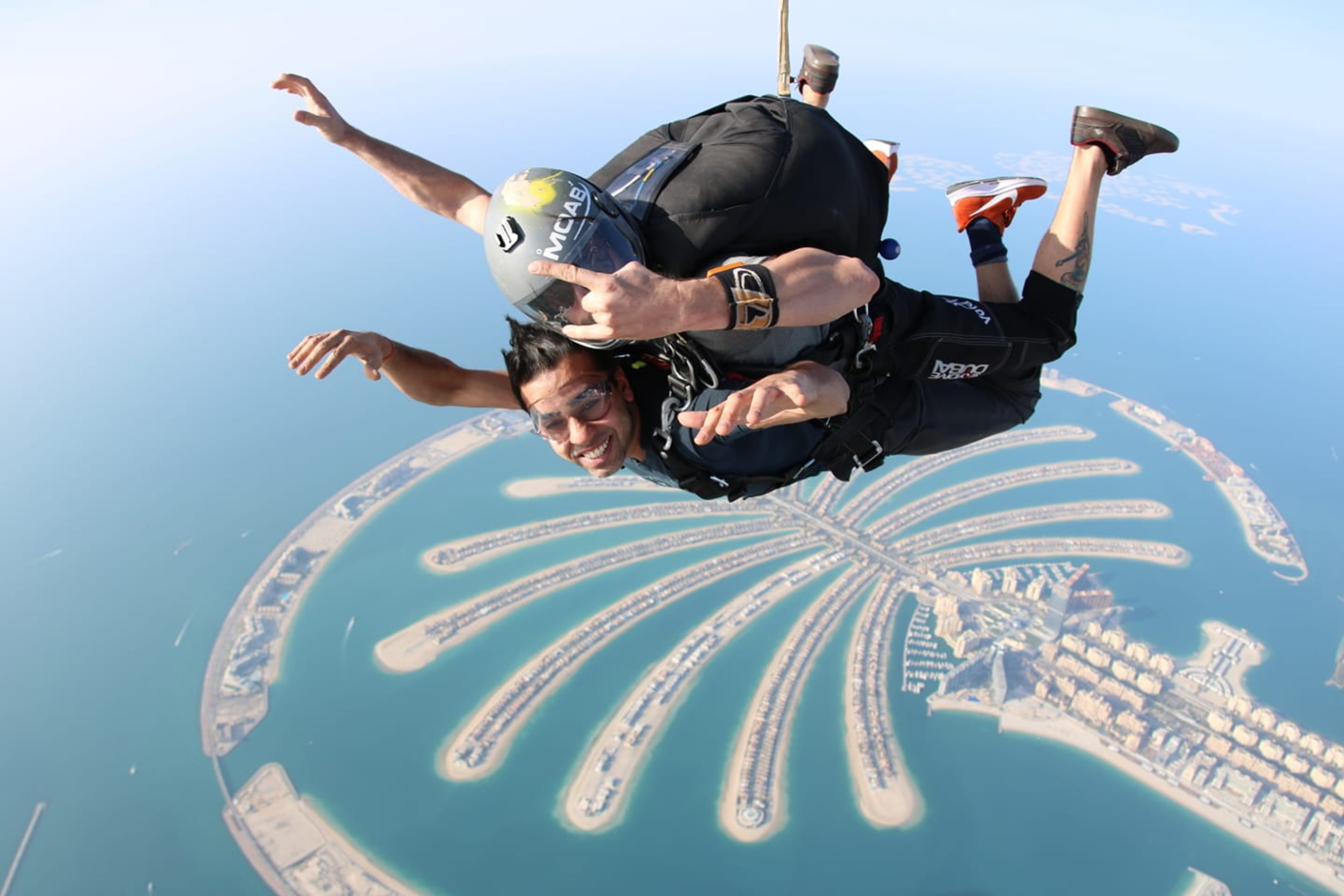
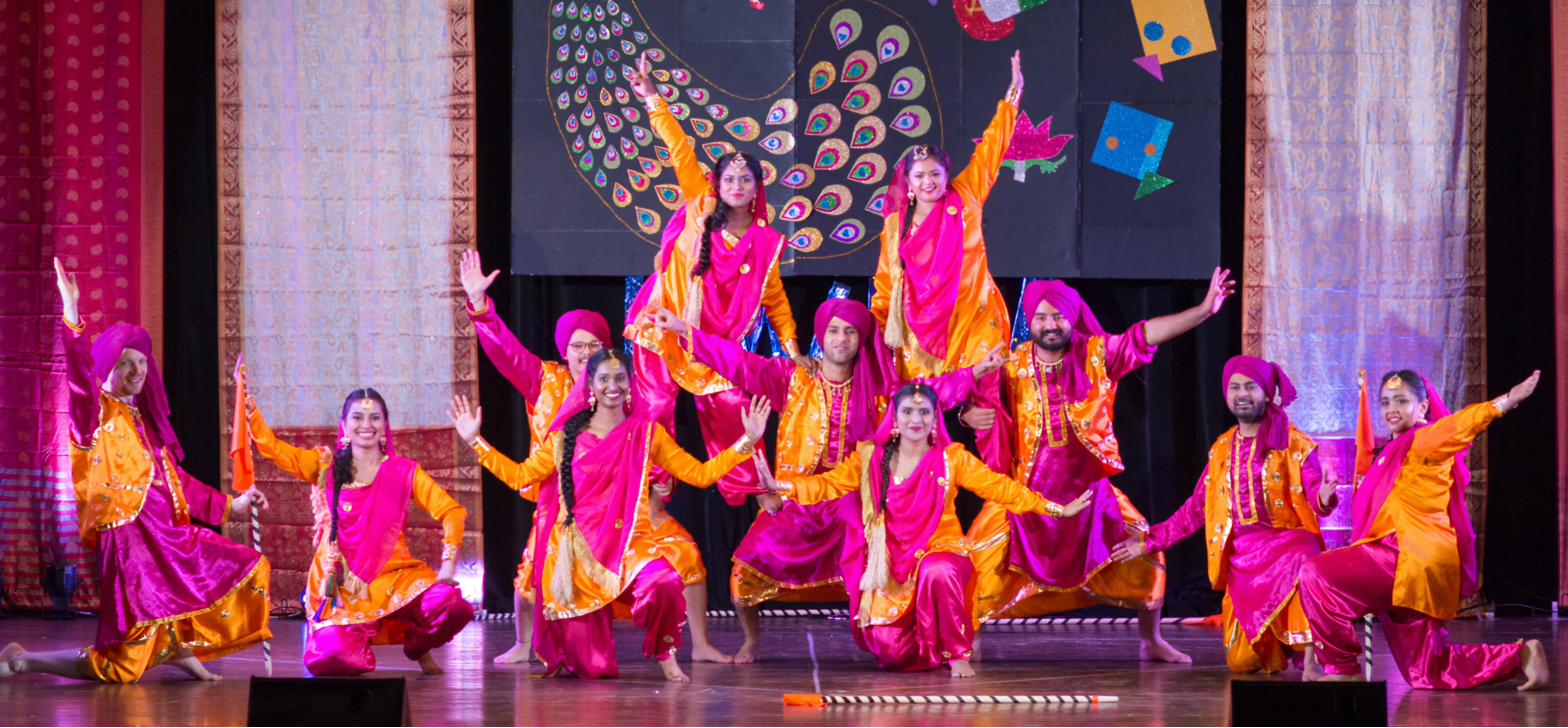
Motorcycling through the Pacific Northwest. Skydiving over Dubai. Performing Bhangra with the Bhangra Addicts. Rafting the rapids of the White Salmon River. These aren't distractions from the work. They're what make the work possible. The same energy that drives a trek to Everest Base Camp or a decade in Intel's cleanrooms comes from staying curious, staying active, and never settling into a single lane.
Coverage coming soon.